

randimal / Depositphotos.com
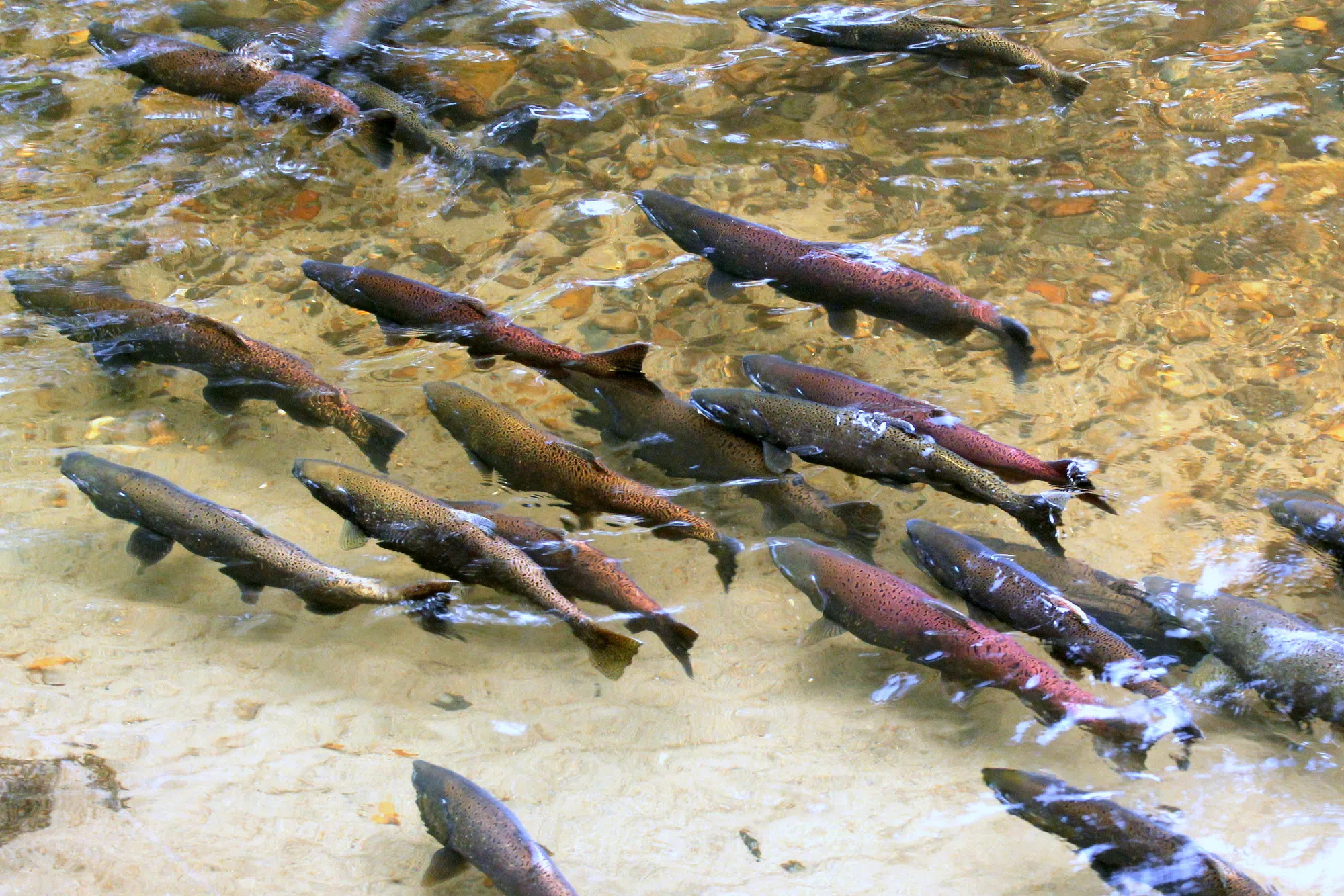
Whitehorse, YT – In a bid to address the plummeting population numbers of Chinook salmon in the territory the Federal Government signed an agreement with the State of Alaska which saw the introduction of a seven-year ban on fishing the species in the Yukon River which is only a fraction of what the agreement means for a species in danger.
The agreement, signed on April 1st, aims to bring the salmon population to over 71,000 with Dennis Zimmerman, a representative at the Yukon Salmon Sub-Committee (YSSC), adding that some years they would see over 100,000 Chinook salmon crossing the border between Alaska and Yukon but recently they predicted that it could have been as low as 9,000.
“It’s disastrous,” said Zimmerman. “I think there’s a collective shock in the group in terms of how poor the numbers are looking with returns or looking at the forecasts. We’ve also had now a few record-poor years and we’re looking at a fraction of what the numbers used to be.”
At the heart of a rebuilding plan lies a commitment to restoring and protecting freshwater habitats that Chinook salmon depend on for their survival. There are many stressors facing the species which means that efforts will focus on rehabilitating riparian zones, enhancing water quality and removing barriers to fish passage.
Although the moratorium specifically addresses the salmon in the Yukon River, the YSSC plans to look at measures that can be taken to address challenges that the species faces in the phase of their lifecycle spent in the ocean including competition with other fish for food and commercial fishing.
Zimmerman points out that a ban on fishing certainly helps allow for further work to be done when it comes to conservation and is something that has already been happening in Alaska and several Yukon First Nations.
“They’ve led by example, I mean, we’ve let off the Chinook for a very long time, because we’ve seen [fishing bans] here in Canada and for the last four years in Alaska, they haven’t fished either,” said Zimmerman. “This is the time when we are all finally in this together.”
The new moratorium mentions possible fishing for ceremonial or cultural purposes by First Nations however Zimmerman says that the YSSC has heard from several First Nations Governments like the Carcross/Tagish First Nation who have had their own bans for decades.
As further discussions are had around conserving Chinook salmon, Zimmerman says it’s pivotal that engagement is had with local communities Government Agencies, environmental organizations and particularly Indigenous peoples who hold traditional knowledge of the species.
“If we’re putting salmon first, what does that look like? I think that across the board if we want the survival of the species, and we want Chinook in our systems for seven generations and our grandchildren, everybody’s got to come together,” said Zimmerman. “Everybody plays a role in that.”


