


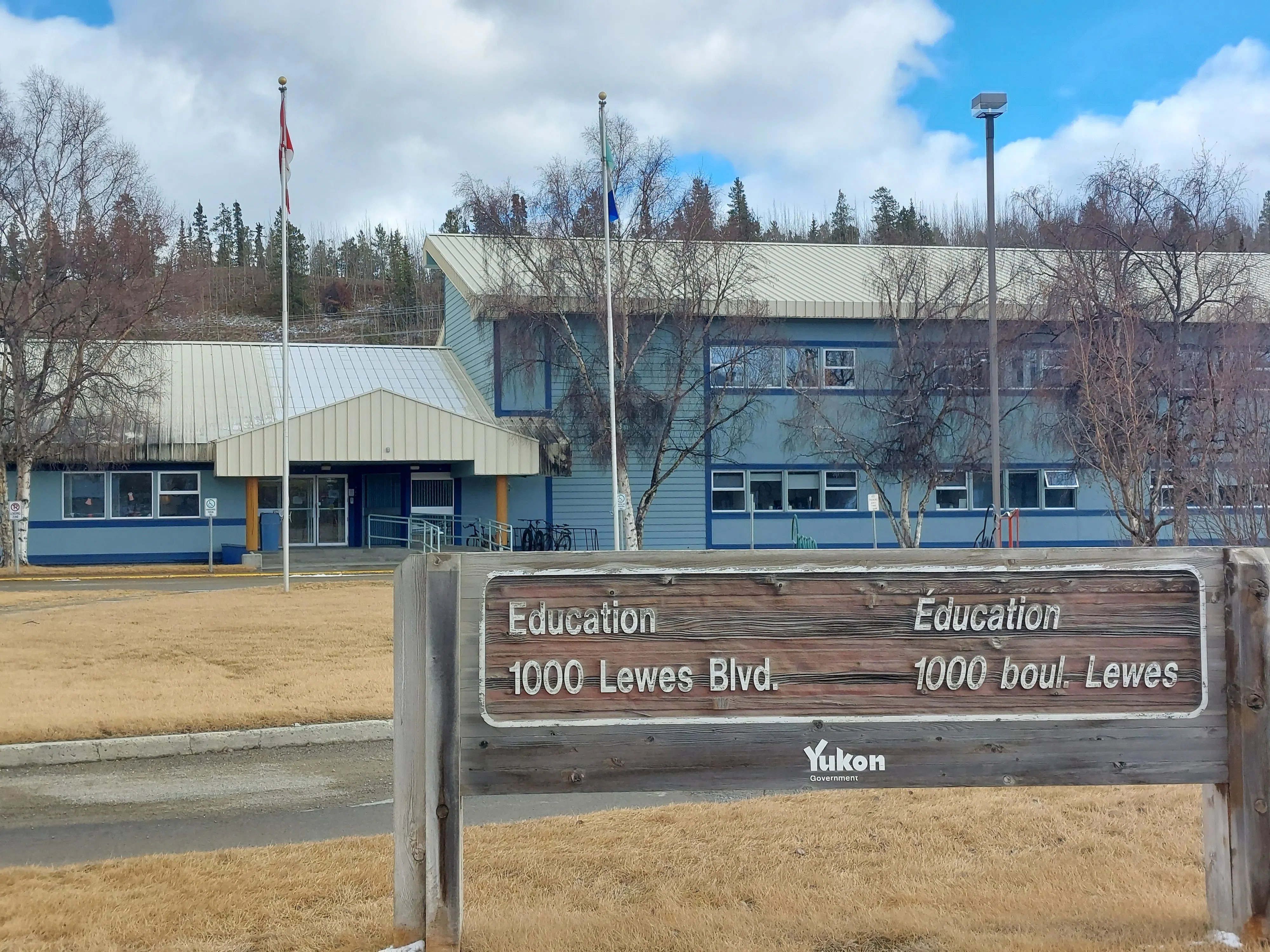
CKRW File Photo: Yukon Department of Education
Whitehorse, YT – New findings from the Yukon First Nations Education Directorate (YFNED) reveal an almost 25 per cent discrepancy between reported graduation rates for Indigenous students by the Yukon Department of Education and those calculated independently by YFNED.
According to the Department of Education, 71 per cent of Indigenous students graduated over eight years – YFNED says that number is 47 per cent.
For non-Indigenous students, YFNED reported a 73 per cent graduation rate while the Department reported 83 per cent.
Melanie Bennett, Executive Director at YFNED, says their data indicates a declining graduation rate trend for Indigenous and non-Indigenous students in contrast to the Department of Education’s reports of improving trends over the same period.
“What we were trying to do here is show that we need to really start to have the conversation about improving the success of children but to do that, you have to have an accurate picture,” said Bennett. “Those are tough conversations to have because everybody would want to lean to, everything’s okay, but it’s not.”
The reason for the large discrepancy is a difference in methodology. The Department of Education only factors students who enter grade 12 with the “potential to graduate,” meaning they have all required credits from grades 10 and 11. They also do not include students who dropped out before grade 12.
“It’s not about blame and shame, whether it was the government, whether it’s self-governing or unceded First Nation, it’s about the picture of where our kids are at,” said Bennett. “Now, let’s work together so that we can have the best for them.”
In April 2021, YFNED contacted the Department of Education with requests for data that went unanswered.
Moving forward, the directorate is calling for improved data collection, collaborative efforts to improve education programs to help boost graduation rates and continued support for culturally relevant education initiatives.
Kate White, leader of the Yukon NDP, says inflated graduation numbers have been an issue since 2016 and that inflated stats on graduation numbers make it harder to address issues facing Yukon students.
“We’re not going to fix the problem unless all sides come forward honestly and openly and we know right now that’s not how the Department of Education is presenting itself.”
Recently, the Yukon Government introduced a new attendance policy recognizing student participation in cultural and religious events is recorded positively in attendance records and raised the cap on locally developed courses.
Although White sees these actions as a step in the right direction, she blasted the Department of Education over the latest YFNED findings.
“Ultimately, fudging your numbers to say that you have a higher graduation rate than you actually do may make you look better in the short term,” said White. “But in the long term, it’s going to come back and it is coming back right now.”
Currently, the Department of Education says they use a reporting methodology based on British Columbia’s model, as the Yukon Curriculum and student information system are the same as BC’s.
The Department of Education has said it is committed to transparency, accountability and consistency when it comes to reporting data, and it will be working with the three territorial school authorities to review the concerns raised by the Yukon First Nation Education Directorate.
This article has been updated with a response from the Yukon Department of Education.


